Dry Tooling
Dry Tooling Courses
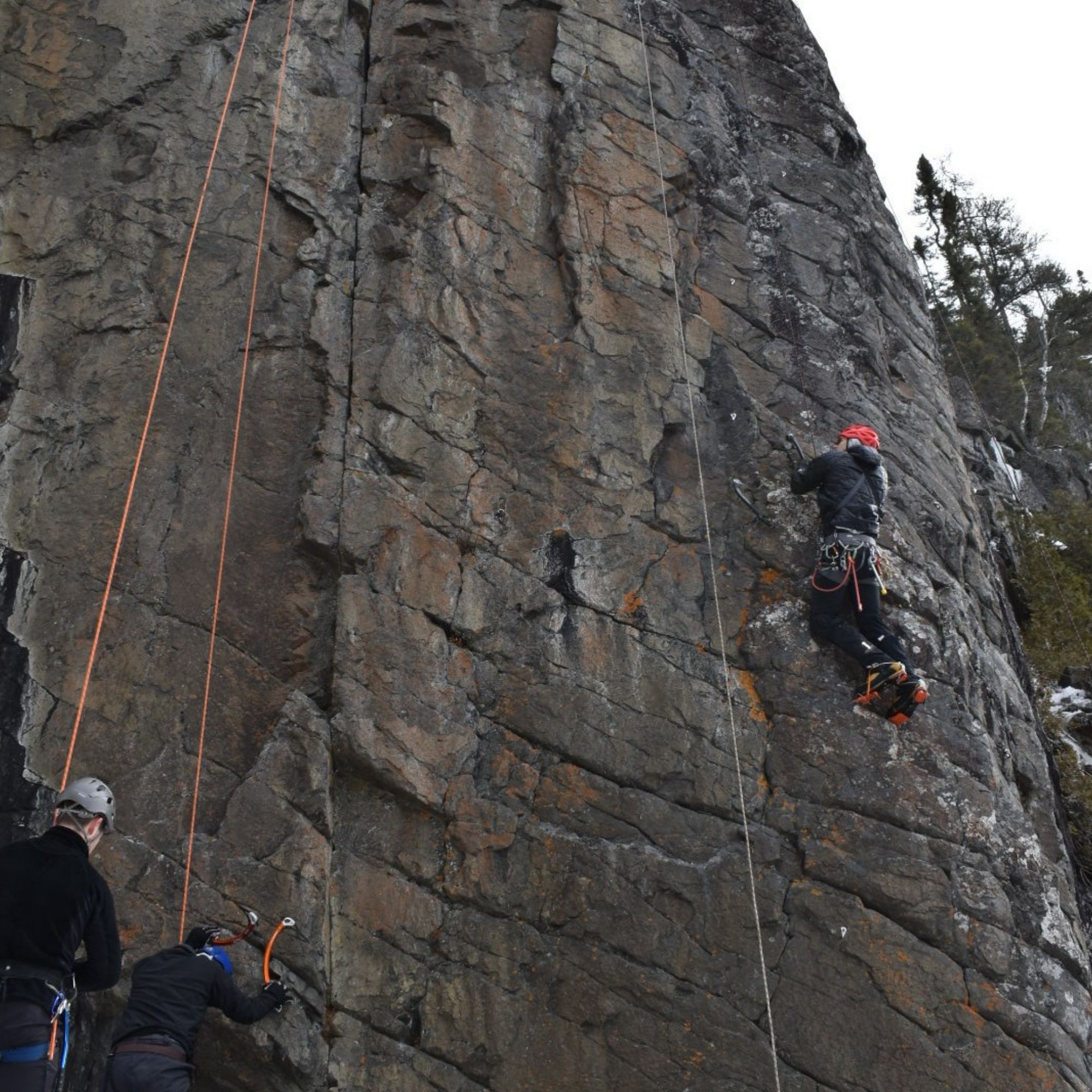
Dry tooling blends the techniques of rock climbing and ice climbing, enabling climbers to ascend routes using ice axes and crampons on rock surfaces. Whether you're preparing for the ice climbing season, enhancing your mixed climbing skills, or simply curious about this rapidly growing discipline, our dry tooling courses offer the perfect introduction.
Request a CourseCustom Dry Tooling Courses
Currently, we offer dry tooling courses exclusively upon request. If you or your group are interested in trying out dry tooling or progressing your skills, please reach out to arrange a custom course tailored specifically to your needs and experience level.
Don't worry if you don't have technical gear. Our guides generally provide the necessary equipment, including ice axes, crampons, helmets, harnesses, and ropes. You are responsible for bringing a good attitude… and appropriate clothing, sun protection, and food and water!
Contrary to what some might expect, dry tooling is quite approachable, particularly with guidance from expert climbing instructors. Although dry tooling is typically more challenging than ice climbing, the two disciplines complement each other effectively, and experience in one will enhance your proficiency in the other.
Schedule a MeetingWhat is Dry Tooling?
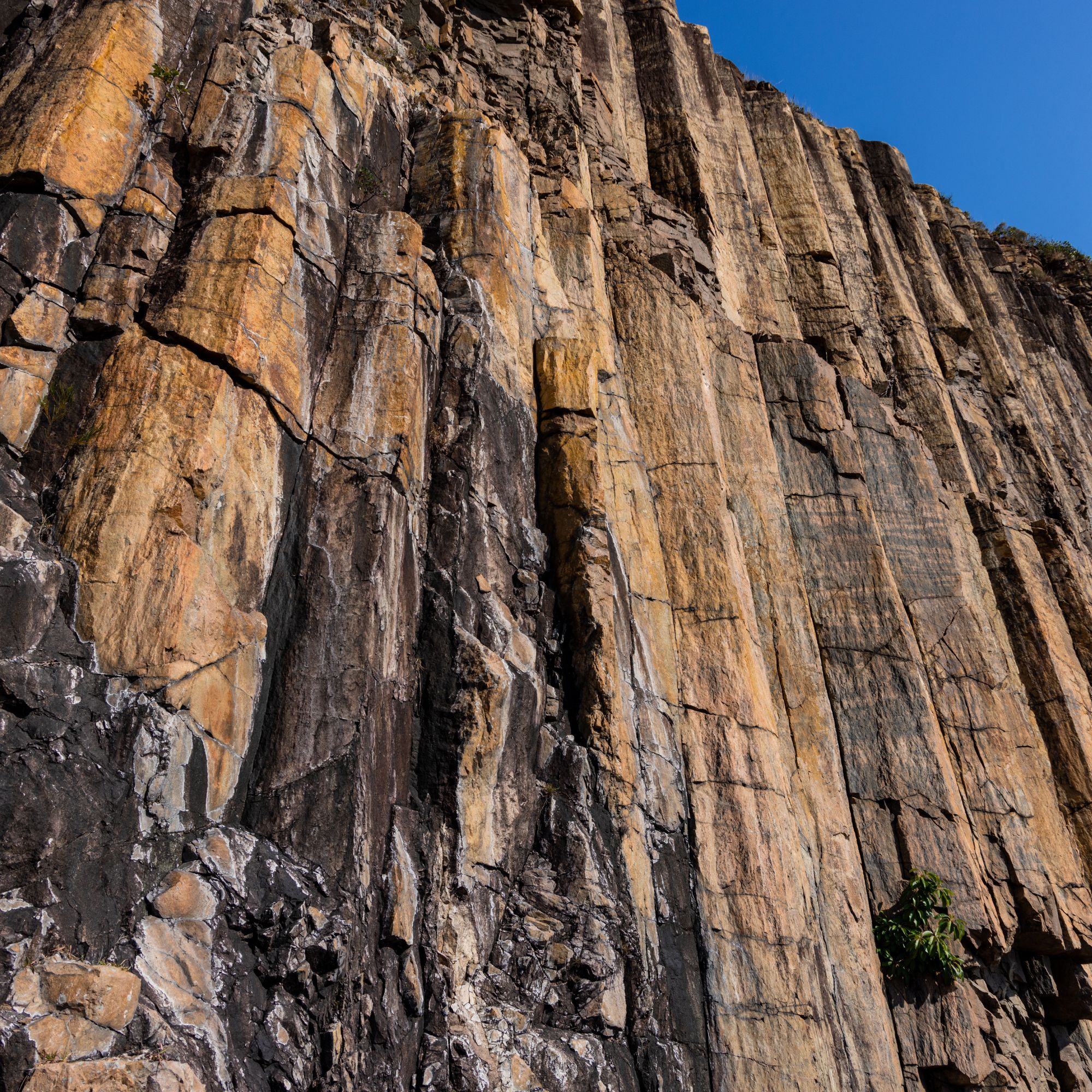
Dry tooling involves climbing rock routes using ice axes and crampons, traditionally ice-specific equipment. The sport employs traditional rock climbing protection such as quickdraws, and many routes are fully bolted.
Initially not considered a separate discipline, dry tooling evolved from alpine climbing, where climbers occasionally traversed rock sections between ice pillars. Over time, dry tooling emerged as its own sport, gaining significant popularity due to its unique challenges, fitness benefits, and year-round accessibility.
Dry Tooling Grades
Dry tooling routes use a specialized grading system, ranging from D1 (beginner-friendly) to D16 (extremely challenging). Storm Giant in Fernie, Canada was the first route to be given a D16 grade. To understand the difficulty of such a route, watch the story of Gord McCarthur's first ascent in 2017.
What is Mixed Climbing?
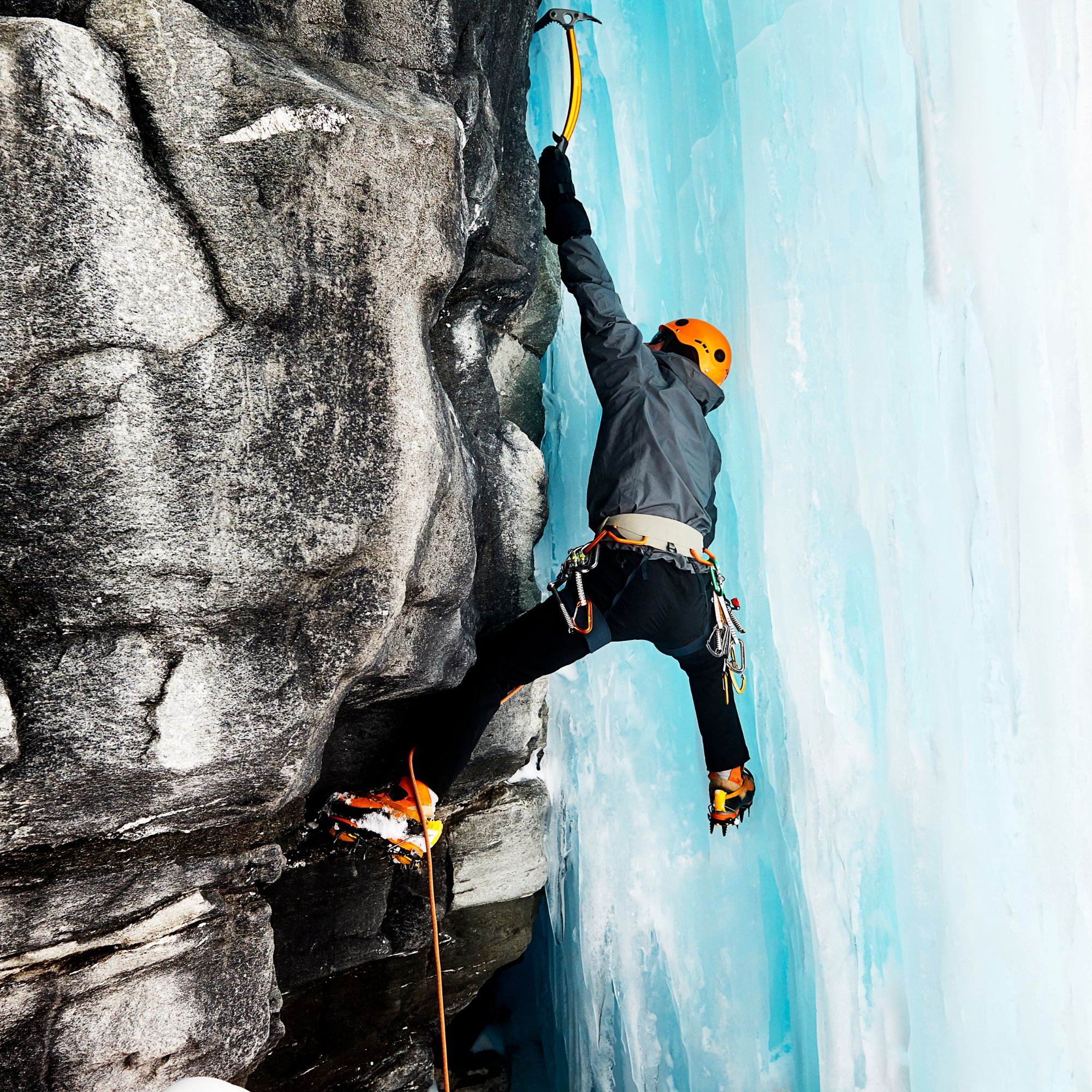
Mixed climbing combines dry tooling and ice climbing. Climbers ascend routes incorporating a mix of ice and rock terrain, using crampons and ice axes (and sometimes bare hands) to navigate the varying surfaces. Mixed climbing is essential for tackling many alpine routes.
Mixed climbing grades range from M1 to M16. The most challenging sections of advanced mixed routes often involve dry tooling on steep, overhanging terrain.
Technical Gear for Dry Tooling
Climbers typically need the following specialized gear:
- Tools and picks: Ice axes that are specifically rated for dry tooling.
- Crampons: Monopoint crampons provide precision on rock routes.
- Climbing Helmet: Essential for safety, protecting from potential falling debris or accidental contact with tools.
- Climbing Harness
- Ropes
- Eye Protection: Safety goggles can protect your eyes if dirt or bits of rock fall as you climb.
- Protection: Belay device, quickdraws, carabiners, cords, etc.
All essential technical gear is provided by your guides during dry tooling courses, ensuring a safe, hassle-free experience.
Frequently Asked Questions
Let's Get You Hooking!
Create your free account, or reach out to arrange a custom dry tooling or mixed climbing course.